Access control and video surveillance systems can warn you that a door has been propped open or capture video of an incident as it is occurring, but they cannot always prevent a security event from occurring. By also addressing the environmental factors that facilitate these incidents, you can dramatically improve the security of your facility and the safety of its occupants. That is the focus of “Crime Prevention Through Environmental Design” or “CPTED,” a concept that factors the broader context of your facility into your security plan. Modern CPTED is focused on:
- Natural surveillance
- Natural access control
- Maintenance
Consider two situations which illustrate the use of only environmental factors to improve security and reduce liability:
Example Problem 1

Security cameras at a commercial office building record skateboarders performing tricks on the railings and front steps after business hours. Employees working late are concerned about their safety as they exit the building. One failed trick could create a serious liability for the property owner.
Solution A: Alert the local police and hope they respond when incidents occur. This is unlikely to be effective as they have higher priorities to address and cannot be present every night.
Solution B: Hire an overnight security team, which would be resource-intensive and costly.
CPTED Solution: Add anti-skateboarding brackets to the railings or replace the rails with beaded metal. Redesign landscaping and add architectural elements to break up the steps so that skateboarders are no longer interested in the property.
Example Problem 2
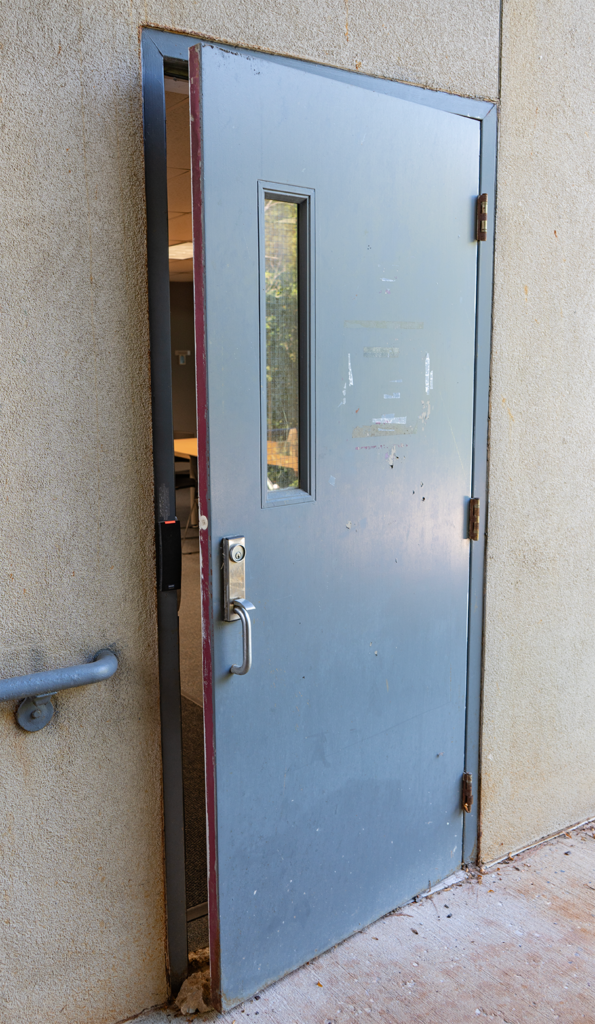
Teachers and students at an elementary school use decorative rocks that have been placed under a nearby window to prop open an emergency exit door, creating a security vulnerability for potential bad actors to exploit. The access control system alerts the School Resource Officer when the door is open for extended periods of time, but he has a large facility to patrol, and it occurs so often that he has started to neglect the issue.
Solution A: Put a note on the door that asks people not to prop the door. While this might have a temporary impact, eventually people will ignore it and return to their old habits.
Solution B: Issue disciplinary actions to anyone caught propping the door. This might deter those who are caught, but it taxes the school leadership, and those who are not caught will continue the behavior.
CPTED Solution: Replace the rocks under the window with mulch or some other form of ground cover, reducing the likelihood that the door can be propped. Review the reasons why people are propping the door and redesign the fenceline or traffic flow to allow students and staff to travel through the area during school hours.
These simple, cost-effective CPTED solutions:
- Promote safety through intentional planning and adaptation of the space
- Understand who is using the facility, and how they are using it, to more effectively promote their safety and secure the facility against those who should not be using it
A Comprehensive Security Strategy
A comprehensive security strategy pairs electronic systems with elements of CPTED and provides maximum protection for your facility. Radius Systems has the expertise to evaluate and recommend solutions that take both into account.
Some examples of how these factors can work synergistically to create a highly safe and secure environment, and reduce owner liability:
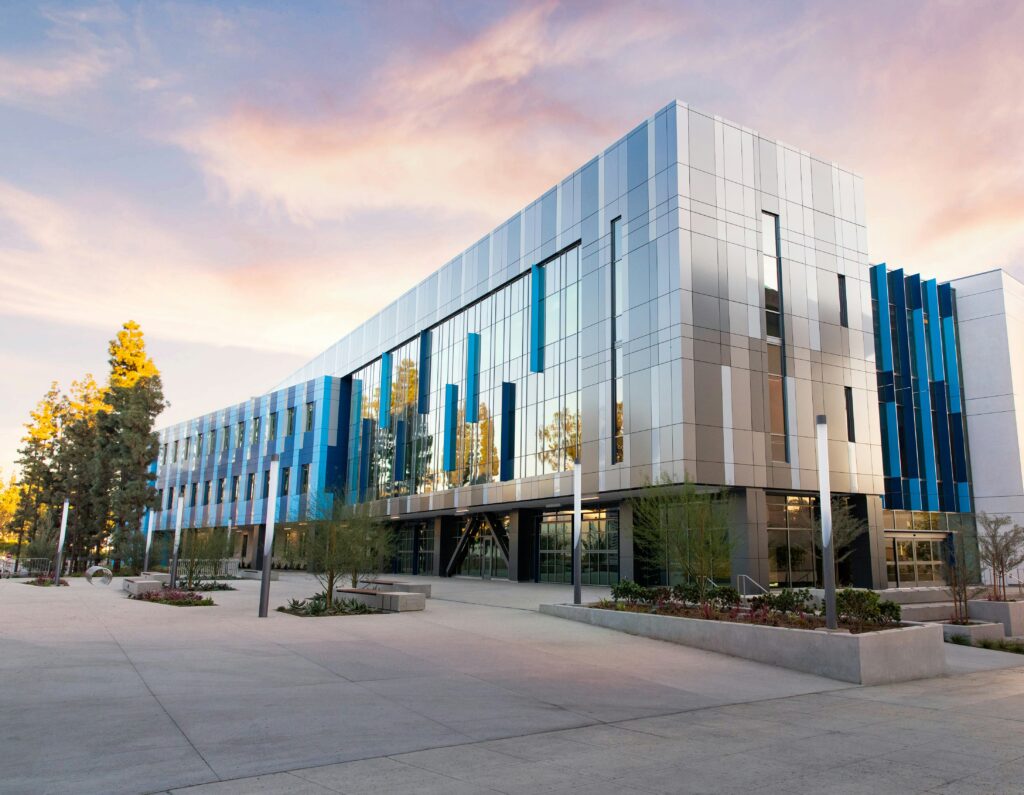
- A robust access control system in concert with high-quality doors and automatic locks structures the movement of the few hundred employees and visitors who inhabit the building in a given week. (Electronic access control)
- Employees wear badges that identify and track them in case of emergencies or if there is a personnel issue. (Electronic access control)
- Security cameras use facial recognition connected to the access control system to verify credentials. (Electronic surveillance, electronic access control)
- The primary entrance uses architectural elements, low-height planters, and signage to funnel visitors toward the reception desk so that they can be verified and credentialed by the security team. (Natural access control, electronic access control)
- License plate cameras identify what vehicles are on the property and prevent access to unwelcome visitors. (Electronic access control, electronic surveillance)
- Entrance gates and bollards prevent vehicles from entering restricted areas. (Natural access control)
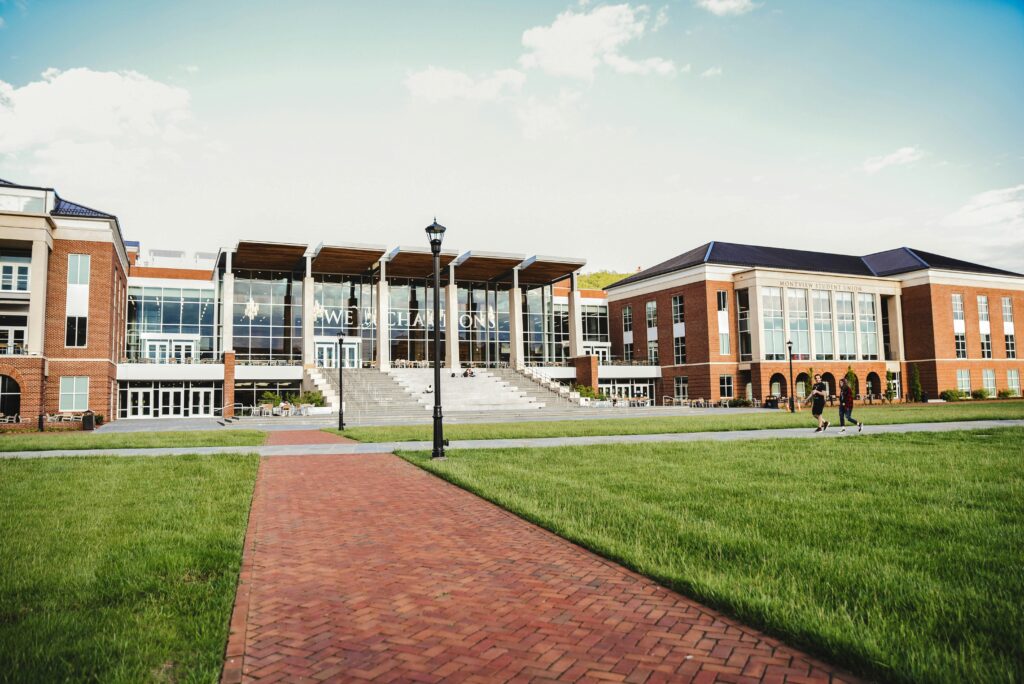
- Perimeter fencing, clearly marked pedestrian pathways, and high visibility signage guide pedestrians toward their destination and limit access to sensitive areas. The fence is transparent to eliminate hiding spots and ambush points. (Natural access control, natural surveillance)
- Extensive networks of safety lighting, security cameras, and emergency call boxes. (Electronic surveillance)
- Exterior lighting is designed to maximize visibility for pedestrians without causing eye strain or fatigue, which allows them to monitor their surroundings. (Natural surveillance)
- Beaded railings and specialized brackets deter the potential damage or liability risks of skateboarding. (Natural access control)
- Landscaping is separated from buildings to eliminate potential concealment. Trees are kept apart from lighting poles to reduce shadows. (Natural access control, natural surveillance)
- Unobstructed sightlines are maintained in all public areas. (Natural surveillance)
- Parking lots and garages are well-lit and minimize vertical elements that might provide hiding spots. Cameras are posted throughout. (Natural surveillance, electronic surveillance)
The steps that these facilities have implemented reduce the likelihood of crime. But they also communicate a sense of safety to the facility occupants so that they are more likely to inhabit the space and use it as intended.
Maintenance
For any facility, planning and implementing these strategies comprise the beginning of the approach. Maintaining them is just as important and should not be overlooked.
- Landscaping must be routinely trimmed to reduce blind spots and allow cameras to have a clear field of view. Standards for landscaping should be established so that the grounds crew know what is required.
- Foliage that might provide opportunities for hiding or ambush should be relocated or removed.
- Burned-out lights or broken equipment must be replaced immediately to limit potential incidents and signal that the space is cared for and monitored.
- Public spaces such as community gardens or plazas foster public engagement and natural surveillance that reduce the chance of unwanted incidents. If they fall into disrepair, they can invite negative interactions.
- Neglected, abandoned, or vacant areas should be converted into a useful function to reduce the likelihood of misuse.
- Regular safety audits must be conducted with the facility staff and its occupants to address problem areas and understand how the use of the space has changed.
CPTED & Electronic Security
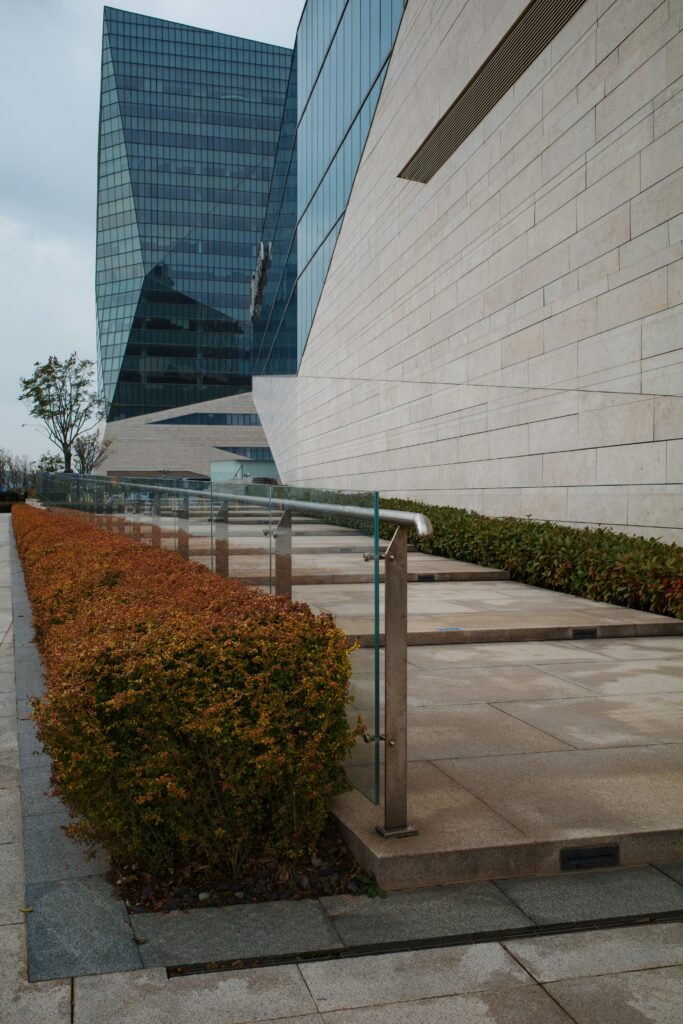
When paired with access control systems, the principles and practices of CPTED can narrow the spaces where a facility’s occupants flow. Security cameras can then be strategically placed to cover areas that are prone to incidents, have a high amount of traffic, or contain high-value materials. This comprehensive approach will maximize safety and security and reduce the risk of incidents or liability.
A thorough security evaluation can determine whether your facility is fully leveraging electronic security and the principles of Crime Prevention Through Environmental Design to maximize safety while accommodating the uses of its occupants. Use the contact form below to speak with a security consultant.